
Design for Manufacture in Product Design: Turning Great Ideas into Real Products
Read More
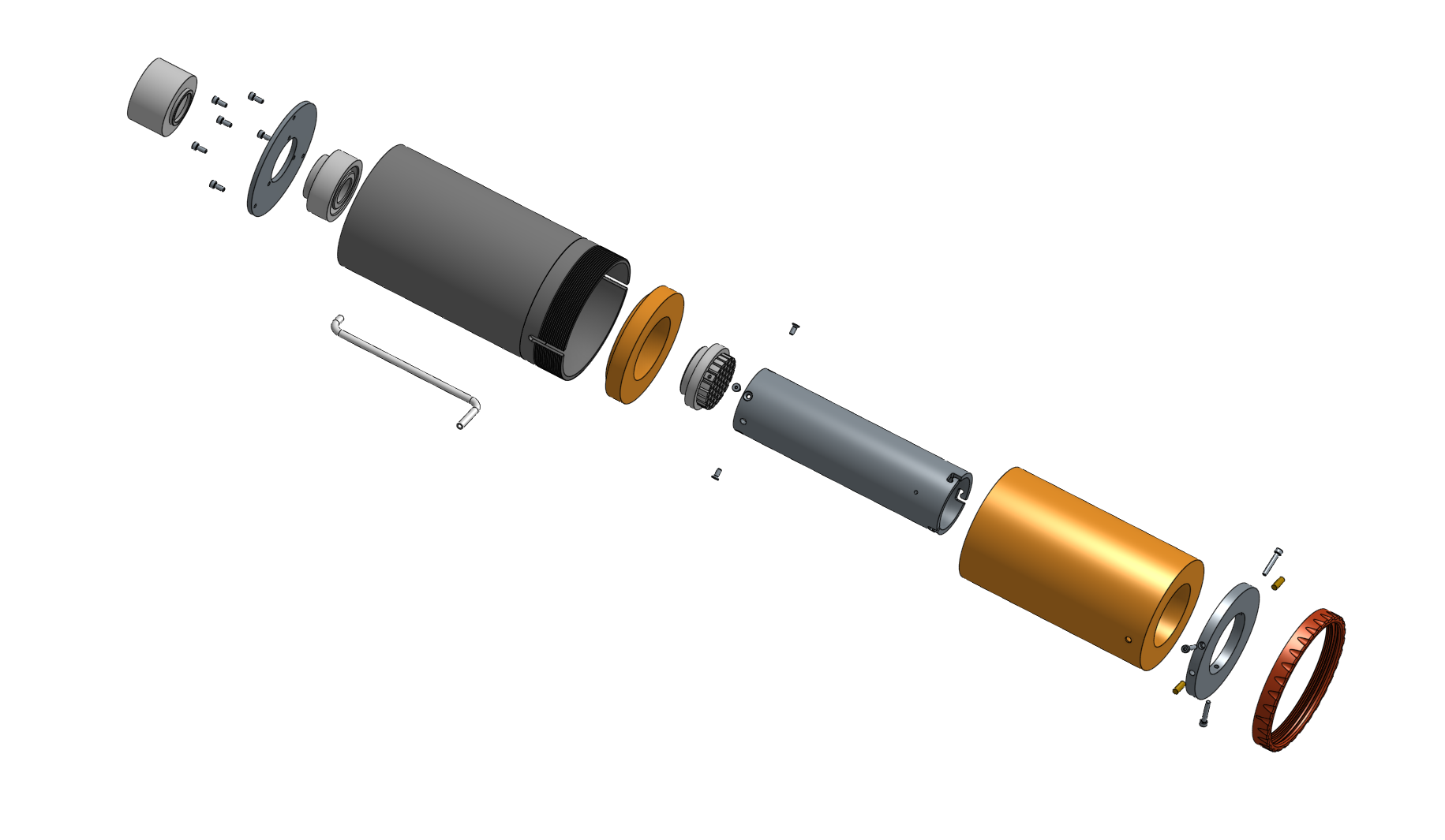
Bringing a new physical product to life is an exciting process. It starts with an idea, builds through concept development and gains momentum as prototypes begin to make that vision tangible. As a product moves closer to manufacture, the focus naturally shifts towards the details that will shape its success - from part complexity and tolerances to assembly, cost and scalability. Getting these decisions right is what turns strong product ideas into products that are ready for the real world.
This is where design for manufacture becomes essential.
Design for manufacture is a core part of good product design. It should shape decisions from the start, not be left until the design is nearly complete. It is about shaping a product from the start so it can be manufactured efficiently, assembled reliably, costed realistically and scaled in a way that suits the product and the market.
As a product design studio, our role is to guide ideas through a structured journey from early thinking to launch and beyond. That journey is rarely linear, but it does follow a clear development path. Through Apollo Designs’ seven core services, we help clients move from ambition to reality with a process that keeps design intent, engineering logic and manufacturing practicality aligned throughout.
Design for Manufacture is the process of developing a product in a way that suits real manufacturing methods, materials, tolerances, assembly processes and commercial constraints. In simple terms, it means designing products that are not just desirable and functional, but practical to make.
A product can appear highly refined in CAD and still be a poor manufacturing proposition. It may require unnecessary machining time, awkward part geometries, expensive tooling and processes or excessive manual assembly. As designs mature making changes becomes more complex and time consuming, which is why design for manufacture needs to be built into the product development process from the beginning.
For a modern product design agency, this is where the value of integrated thinking becomes clear. Industrial design, mechanical performance, user experience, cost and production strategy should all inform each other to guide the design. When they do, products reach the market faster and with fewer expensive surprises.
Strong product design is about more than appearance. It is about how a product performs, how it is used, how it is perceived and how successfully it can be delivered to market. If manufacturing is treated as an afterthought, even a well-conceived idea can become commercially difficult.
Design for manufacture matters because it helps to:
• reduce production cost – this is critical to startups and innovators
• simplify component geometry and part count
• improve assembly efficiency and reduce manufacturing risk
• create a more scalable product
At Apollo Designs, we work with individuals, startups and established businesses who often come to us at different stages of maturity. Some arrive with only an idea. Others already have prototypes or partial designs. In every case, the same principle applies: the earlier design for manufacture is introduced, the greater the benefits are.
Rather than seeing design for manufacture as one isolated stage, we treat it as a thread that runs through the entire product development process. Here is how that works across the seven services offered by Apollo Designs.
1. Concept Design - setting the direction early
Every product starts with an idea but turning that idea into a viable direction requires more than inspiration alone. Our concept design process is about exploring possibilities, understanding user needs, defining constraints and creating an informed starting point for development.
This stage is often where the biggest strategic decisions are made. Product architecture, materials, target manufacturing routes and requirements all begin to take shape here. It is also the point where many avoidable mistakes can first be prevented.
For example, choosing between an injection moulded housing, a fabricated metal assembly or a machined enclosure is not just a styling decision. It affects cost, geometry, tooling, lead time and scalability. A concept that suits one process may be completely unsuited to another.
That is why Apollo Designs approaches concept design with real-world delivery in mind. As a product design studio, we aim to create concepts that are exciting and commercially grounded in equal measure. The result is more effective decision making and a de-risked route to delivering the first products.
2. Prototyping - testing ideas before they become expensive mistakes
Prototyping is where assumptions start to meet reality. It allows products to be handled, tested, reviewed and improved before committing to final production decisions. In practice, prototyping is one of the most valuable tools for design for manufacture because it reveals where a design may look right in theory but behave differently in physical form.
At Apollo Designs, our design studio uses prototypes for multiple purposes. Some may be purely to check aesthetics while others are built with fit and function in mind. In many cases, prototypes also help assess whether part geometry and tolerances are suitable for moving forward with development. This is particularly helpful in areas where you may have tight tolerances so you can confirm the final product will act as intended.
Prototyping often highlights opportunities to simplify a design. Features can be combined, unnecessary components removed and interfaces improved. A product that begins as an ambitious concept can become a far more robust and manufacturable proposition once it has been physically tested and refined.
Nothing beats hands on testing, and our design studio is set up to facilitate robust testing for any product.
For any product designer, this iterative stage is where confidence starts to build. Building a perfect prototype first time is always nice but it’s more important to use this stage to develop quickly and start learning what makes the ideal final solution.
3. Engineering Design - refining the product for performance and production
Once the product direction is proven, engineering design takes centre stage. This is where intent is translated into robust technical detail. Dimensions get locked in, materials are selected and performance requirements are built into the design.
Engineering design is also where design for manufacture becomes especially tangible. This might involve reducing undercuts in moulded parts, improving draft angles, adjusting wall thicknesses, rationalising tolerances or designing components so they are easier to assemble. Small changes at this stage can make a major difference to cost and manufacturability later. A quick example of this is unifying fasteners across a product. This means assembly is simpler, errors are reduced and larger purchase volumes of single items save cost. Combining these factors alone can lead to significant cost savings and risk reduction in a final product.
At Apollo Designs, we treat engineering design as the bridge between concept and production. It is where the product becomes real in a technical sense. Good engineering does not just solve performance problems, it helps make products reliable, repeatable and practical to produce in volume.
For clients looking for a product design studio that understands both innovation and implementation, this is often where the value of an integrated team becomes most visible.
4. Manufacturing Support - connecting design intent with production reality
A product may be well developed by this stage, but moving confidently into production depends on more than a completed design. It also relies on having the right suppliers and manufacturers in place, with the correct capabilities, processes and quality standards to support the product successfully. This is why manufacturing support is such an important part of the journey.
Considering design for manufacture early in the design makes manufacturing much more straightforward. The more manufacturing considerations and supplier input are brought in during development, the simpler manufacturing tends to be. Aligning likely production routes, process constraints and supplier capabilities early helps avoid delays, reduces late changes and makes it easier to move from design into manufacture with confidence.
Our manufacturing support service helps clients identify and engage suitable suppliers and manufacturers, review capabilities, gather quotations and assess which production partners are the right fit for the product and its commercial goals. Our product design studio helps build a clearer path into manufacture by connecting product development with the realities of supply chain and production planning.
This stage is also where quality control becomes a key focus. A product should not just work on paper - it should be manufacturable consistently and to the required standard. That means establishing clear expectations around tolerances, finishes, inspection criteria and production quality from the outset. Considering design for manufacture early supports this by helping ensure the product is suited to reliable, repeatable production rather than creating unnecessary complexity or risk.
5. Regulation and Compliance - designing for the real world
Products do not exist in a vacuum. They operate within legal, technical and safety frameworks that vary by sector and market. Regulation and compliance are sometimes treated as a hurdle at the end of a project, but in reality they should shape development much earlier.
Compliance requirements can affect materials, labelling, structural design, electrical components, safety features and documentation among much more. If these factors are ignored until late in the process, redesign becomes far more likely and costs increase.
Apollo Designs takes a proactive approach by considering regulatory requirements alongside product design and engineering design decisions. This helps reduce risk and avoids the common problem of discovering late-stage issues that could have been addressed earlier.
From a design for manufacture perspective, compliance also matters because tested, certifiable and traceable products are usually more robustly engineered overall. Designing with these requirements in mind supports smoother progression toward production and launch.
Product compliance is a hugely in-depth field and can be daunting to take on. Apollo Designs is able to draw on experience building certified products to give our clients peace of mind.
6. Product Launch - preparing for a successful market entry
A successful launch depends heavily on the quality of the development journey before it. Products that have been designed with manufacture in mind are generally easier to scale, easier to quality control and less likely to suffer from preventable production issues.
At Apollo Designs, product launch support helps ensure all technical aspects of the launch are well covered, allowing our clients to focus on the commercial aspects. For businesses choosing a product design agency, having this production support can hugely derisk product launch and pave the way for a smooth launch.
7. Aftermarket Support - improving the product beyond first release
The product journey does not end at launch. Once a product reaches customers, real-world use creates valuable feedback. Components wear, assembly issues can occur, service patterns emerge and opportunities for refinement will appear.
This is why Apollo Designs includes aftermarket support as part of our wider process. We see launched products as living systems that can continue to improve. design for manufacture remains relevant here too. Sometimes the best manufacturing improvements are identified only after the first production runs or early customer use.
Part revisions, supplier changes, assembly improvements and cost reductions can all form part of a product’s evolution. By feeding these lessons back into the design, products become stronger over time and better positioned for long-term success.
For a product design studio, this stage is about maintaining momentum rather than treating launch as the finish line.
One of the biggest misconceptions in product development is that design for manufacture happens near the end. In reality, the strongest outcomes come when it is treated as a mindset throughout the entire project.
That means asking the right questions at every stage. Is the concept aligned with realistic production methods? Can the prototype teach us something useful about assembly or tolerance? Is the engineering solution elegant but also practical? Are suppliers able to make the parts efficiently? Are compliance needs shaping design decisions early enough?
At Apollo Designs, this joined-up thinking is central to how we work. As a product design agency, we believe the best products are created when creativity, technical problem-solving and manufacturing awareness all develop together.
Successful physical products are rarely the result of one great idea alone. They are the result of many good decisions made consistently throughout development. Design for manufacture helps ensure those decisions support not just the vision of a product, but its path to becoming real.
For Apollo Designs, the journey from concept design to aftermarket support is about more than moving through a list of services. It is about building confidence at every stage and making sure each step contributes to a product that is desirable, functional and ready for manufacture.
That is what strong product design should do. It should bridge ambition and execution.
And that is exactly where Apollo Designs works best. If you have a project in mind that you would like us to look at, please get in touch via our contact page.
Apollo Designs works across a wide range of product design and engineering design disciplines. Our core experience includes industrial, automotive, aerospace and mechanical product design but we’re not limited to these sectors. If you have an idea or product outside these areas, we’re always open to discussing how our skills and process could support your project.
Yes, absolutely. Our product design studio supports individuals, startups and established businesses alike. Our team structure and pricing are designed to be flexible, allowing us to tailor a scope of work that suits your project, experience level and budget.
Yes. While our product design services cover the full product development lifecycle, from concept design to aftermarket support, each stage can be undertaken independently. We are always happy to investigate how we can join a project at any point and tailor our support to what you need right now.
We work collaboratively to define a clear scope and budget before starting. Our approach focuses on transparency and value, helping you invest in the right level of design support at each stage.
Yes. Through our trusted supplier network, we support our clients throughout manufacturing, including supplier selection, technical liaison and quality assurance. We can also provide the design documentation if you would prefer to select your own suppliers.
No. Apollo Designs is set up to allow clients to come to us with early ideas rather than a complete specification. A key part of our role as a product design agency is helping you shape and clarify the brief so you can move forward with confidence.
Absolutely. We’re always happy to hear from people who are looking to get started in product design and engineering or who simply have a question they’d like to discuss. Please use our Contact page to get in touch with the team and we’ll do what we can to help.
A product design studio (or product design agency) is typically an end-to-end product development company, able to take your idea from concept design through engineering design and onto product manufacture so you can bring product to market. An industrial design company is very similar but usually leans more toward the look, feel and user experience early on. Apollo Designs is a product design studio with the capability to take on industrial design projects.